Hornchurch street trading rules for flower stalls Havering Council
Posted on 12/10/2026
If you are planning a flower stall in Hornchurch, the rules can feel a bit tangled at first. One minute you are thinking about buckets, bouquets, and whether your roses will hold up in the cold; the next you are trying to work out permissions, trading boundaries, and what Havering Council may expect from you. That is exactly why this guide exists. It explains the Hornchurch street trading rules for flower stalls Havering Council in plain English, with practical steps you can actually use.
You will not find guesswork here. Instead, you will get a grounded overview of how street trading normally works in this part of London, what matters most for flower stalls, and how to stay on the right side of local requirements without overcomplicating everything. Let's face it, nobody wants to set up a beautiful display at 8am and then spend the rest of the day worrying whether they have missed a rule.
Along the way, we will also touch on selling methods, common pitfalls, and how a flower business can stay flexible if street trading is only one part of what you do. If you already run or plan to run a floristry business in Hornchurch, you may also find it useful to compare this with your wider offer, such as a local florist service in Hornchurch RM11, a flower delivery option in Hornchurch RM11, or even a broader flower shop presence in Hornchurch RM11.

Table of Contents
- Why Hornchurch street trading rules for flower stalls Havering Council Matters
- How Hornchurch street trading rules for flower stalls Havering Council Works
- Key Benefits and Practical Advantages
- Who This Is For and When It Makes Sense
- Step-by-Step Guidance
- Expert Tips for Better Results
- Common Mistakes to Avoid
- Tools, Resources and Recommendations
- Law, Compliance, Standards, or Best Practice
- Options, Methods, or Comparison Table
- Case Study or Real-World Example
- Practical Checklist
- Conclusion
- Frequently Asked Questions
Why Hornchurch street trading rules for flower stalls Havering Council Matters
Street trading rules are not just a box-ticking exercise. For a flower stall, they shape where you can stand, what you can sell, how visible you are to customers, and whether your set-up is likely to be welcomed or challenged. In Hornchurch, that matters even more because local trading spaces are shared, busy, and often tightly managed.
A flower stall looks simple from the outside. A few buckets. A folding table. Some seasonal stock. In practice, it sits at the intersection of public space, pedestrian flow, local business impact, safety, and licensing expectations. If you get those basics wrong, you can end up with enforcement issues, awkward conversations, or having to move at short notice. That is nobody's idea of a good trading day.
For local traders, the value of understanding the rules is bigger than avoiding fines. It helps you choose a viable pitch, plan stock levels properly, and present your stall in a way that feels tidy rather than cluttered. It also protects your customer experience. People buying flowers often want a quick but pleasant moment: a clean display, visible pricing, fresh stock, and a seller who looks organised. The right setup can make a huge difference.
There is also a trust element. Councils, nearby businesses, and passing shoppers tend to respond better to traders who clearly take compliance seriously. That does not mean being stiff or overly formal. It just means showing that your stall is safe, lawful, and considerate of the street around it. That kind of detail quietly builds confidence.
How Hornchurch street trading rules for flower stalls Havering Council Works
Street trading usually revolves around permission to sell in a public place. The practical details can vary, so it is sensible to treat any setup as something that needs checking in advance rather than assuming all roadside or pavement selling is allowed by default. For flower stalls, this often means thinking about the pitch, the trading hours, the exact location, and whether your activity affects pedestrian access or nearby premises.
In simple terms, the process usually involves:
- identifying whether the intended location is suitable for street trading;
- checking whether permission, consent, or a licence is needed;
- making sure the stall does not obstruct pedestrians, vehicles, entrances, or crossings;
- confirming what goods are allowed to be sold from the stall;
- understanding any local conditions on operating times, size, equipment, or waste management.
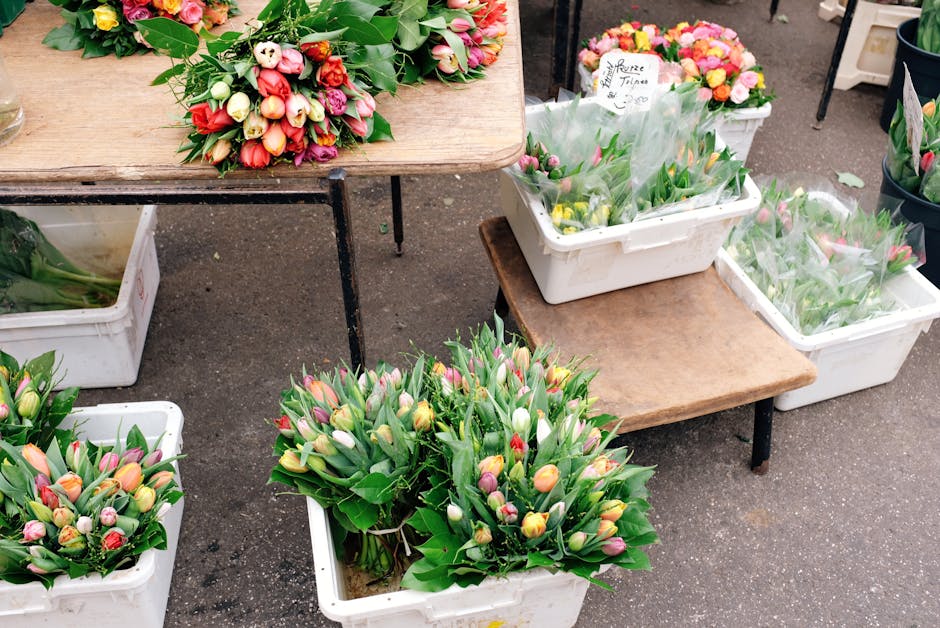
Flower stalls are often judged on the total picture rather than one detail alone. For example, a compact stand with well-arranged buckets may fit better than a larger display with loose packaging, trailing cables, or signs that spill into the walkway. You can probably picture the difference straight away. One feels neat; the other feels like a hurdle course on a wet Tuesday morning.
It also helps to remember that Hornchurch trading conditions may be influenced by the immediate street environment. A pitch near a station entrance, bus stop, or narrow pavement can raise different concerns from a quieter location. That means the same flower stall idea may work brilliantly in one place and be inappropriate in another. The rules are one part of it; the street itself is the other part.
If your plan includes regular floral sales, it may be worth comparing the street-trading route with alternatives such as an established retail base or delivery-focused sales through options like same-day flower delivery in Hornchurch RM11 or next-day flower delivery in Hornchurch RM11. Sometimes the best model is a mix of both, and that is often where the commercial sense starts to show.
Key Benefits and Practical Advantages
Getting the Hornchurch street trading rules for flower stalls Havering Council right brings several real-world benefits, and some are easier to feel than to quantify. First, it reduces uncertainty. When you know what you are doing, you can focus on stock, presentation, and customers instead of second-guessing whether someone will ask you to move on.
Second, compliant trading tends to create a more professional impression. That matters in flowers, where presentation is part of the product. A well-run stall with clear prices, fresh blooms, and orderly buckets can look reassuring even from across the road. People often choose with their eyes first, then their heart, then their wallet. In that order, roughly.
Third, having the right setup can make your trading more sustainable. By planning where and how you sell, you are less likely to waste flowers through poor footfall or badly chosen pitch times. A better location can mean better sales, fewer unsold stems, and less stock loss. Truth be told, that can make a bigger difference than people expect.
Here are some of the practical advantages in plain terms:
- Better customer flow: you are placed where people can actually stop, browse, and buy.
- Lower operational stress: fewer last-minute problems, fewer interruptions, fewer surprises.
- Stronger local reputation: customers and neighbouring traders are more likely to trust a professional-looking stall.
- Improved stock planning: you can match fresh flowers to the most suitable trading times.
- More consistent trading: fewer interruptions mean more predictable revenue potential.
If your flowers are part of a broader mix, the benefits can extend further. You can direct stall customers to occasion-based ranges such as birthday flowers, funeral flowers, or wedding flowers, depending on your offer and the way you trade. That sort of bridge between street presence and broader retail can be very useful.
Who This Is For and When It Makes Sense
This guide is for anyone considering flower sales from a public-facing stand, table, kiosk-style setup, or temporary pitch in Hornchurch. It is also helpful if you already sell flowers in another way and want to add a street-trading angle without stumbling into avoidable problems.
Typical readers include:
- independent florists exploring local street sales;
- small business owners testing a new trading model;
- market-style sellers who want to sell fresh flowers seasonally;
- event traders planning pop-up floral stalls;
- businesses looking for a visible local presence near busy footfall areas.
It makes sense to think about street trading if you want direct customer contact, impulse purchases, or high-visibility seasonal sales. Flower stalls are especially suited to that model because flowers are emotional, quick to buy, and easy to display attractively. A passer-by who was not planning to spend money can still be tempted by a bunch of tulips or a neat mixed bouquet. It happens all the time.
That said, street trading is not always the best fit. If your flowers are highly specialised, require extensive cold storage, or depend on pre-orders, you may get more value from delivery-led selling or a shop-based model. The right answer depends on your margins, your labour, and how much control you need over the customer experience. There is no magic formula. Just the right fit for your business.
For businesses wanting a broader retail footing, pages such as about us and contact us can also help build trust alongside your trading offer, especially if customers want reassurance about who is behind the stall.
Step-by-Step Guidance
Here is a practical, no-nonsense way to approach Hornchurch street trading rules for flower stalls Havering Council. It is designed to keep you moving without overcomplicating things.
- Define the exact trading idea. Are you planning a regular stall, a seasonal pop-up, or a once-off local pitch? The rules and expectations may differ depending on how often and where you trade.
- Pin down the location. Do not work from a broad area name alone. The precise pavement, frontage, or public space matters. A location that looks fine on a map may be awkward on the ground.
- Check whether permission is needed. Public-space selling is often regulated. Before investing in equipment or stock, make sure you understand what kind of authorisation may apply.
- Review the practical conditions. Think about space, pedestrian access, waste, weather protection, and safe movement around your display. Flowers may be soft goods, but the stall itself still has to be safe and tidy.
- Plan your product mix. Decide whether you will sell hand-tied bouquets, single stems, seasonal bunches, sympathy flowers, event items, or mixed arrangements. A focused range is often easier to manage.
- Set a display standard. Use clean buckets, visible pricing, and a layout that looks intentional. Customers notice immediately when a stall has been thought through.
- Prepare for weather and transport. Flower stock does not enjoy being baked in the sun or battered by wind. London weather can turn fast, so have covers, water, and secure packaging ready.
- Create a fallback route. If the street pitch is unavailable or busy, have a backup plan through delivery, pre-orders, or another sales channel.
- Keep records. Track what sells, when it sells, and what stock gets left over. That is how you learn whether the pitch is genuinely working.
A small but useful habit: walk the area at the time you would actually trade. Morning footfall and late-afternoon footfall can feel like different streets altogether. A pitch that looks dead at 10am may come alive just before commuting home. The reverse can also be true. A bit annoying, yes. Also useful.
Expert Tips for Better Results
The best flower stalls usually get a few basics right rather than trying to do everything. In our experience, that simple discipline beats flashy presentation every time. Here are the habits that tend to matter most.
Keep the offer tight. Too many choices can slow buyers down. A compact range of seasonal bunches, a couple of price points, and one or two special occasion lines often works better than an overcrowded display.
Think in colour stories. Flower buyers often respond to visual harmony before they read the label. A selection built around whites, pinks, mixed colours, or seasonal tones can look more polished and sell faster.
Make pricing easy to spot. If people have to ask for every price, you are making the transaction harder than it needs to be. Clear pricing is calm pricing.
Keep stems fresh and hydrated. This sounds obvious, but it is one of those things people get wrong when they are rushing. Freshness sells. Wilted petals do not. Simple as that.
Use weather to your advantage. Spring and early summer bring natural demand, but colder months can still work well for sympathy flowers, festive arrangements, or indoor gift purchases. Adapt the display instead of fighting the season.
Offer quick decision support. A few plain-English prompts help customers choose fast: "bright and cheerful," "something elegant," or "flowers for a thank-you gift." That tiny bit of guidance can unlock a sale.
If you are also selling through a shop or online, connect your stall to practical extras like flower care guidance and clear delivery information such as delivery details. That makes the customer journey feel joined up rather than random.
And yes, a small sense of humour helps. One trader once said the most important tool on a windy day was not a fancy system at all, just "a strong clip and a prayer." Not official advice, obviously, but not far off either.
Common Mistakes to Avoid
Some mistakes show up again and again with street trading. They are usually avoidable, which is why they are so frustrating. The good news is that you can sidestep most of them with a bit of planning.
- Assuming the pitch is fine because it looks busy. Busy does not always mean permitted or practical.
- Bringing too much stock. Flowers are perishable, so over-ordering can quietly eat your margin.
- Ignoring pedestrian space. If your stall makes people squeeze past, you are inviting problems.
- Using unclear pricing. Unclear prices slow sales and make you look less established.
- Neglecting weather protection. Sun, wind, and rain can ruin stock faster than you expect.
- Relying on one trading channel only. If the street pitch is quiet, you need another route to customers.
- Forgetting seasonal demand shifts. Not every week sells the same way. Mother's Day is not a normal Tuesday, and thankfully so.
- Leaving waste unmanaged. Tidy disposal matters both visually and practically.
The most common real-world issue is probably not dramatic legal trouble. It is inconsistency. A trader starts well, then the stall becomes a bit messy, stock control slips, and customer confidence softens. It happens quietly. That is why routine matters more than enthusiasm alone.
Tools, Resources and Recommendations
You do not need a huge setup to trade flowers well, but a few practical tools make the job much easier. If you are working in or around Hornchurch, think more about reliability than flair.
- Sturdy display buckets: keep stems upright and the pitch tidy.
- Water containers and refill plan: essential for freshness on longer trading days.
- Weather covers: useful for both sun and unexpected rain.
- Clear price boards: save time and reduce awkward questions.
- Transport trays or crates: help reduce damage between storage and stall.
- Simple waste bags or bins: useful for trimmings and packaging.
- Basic stock tracking sheet: even a notebook can help you see what is selling.
If your flower offer is broader than a street pitch, browse products that help you test demand, such as all flowers, best sellers, or more value-focused lines like cheap flowers. Those categories can be handy when you want to understand what customers are actually drawn to, rather than guessing.
For business-side organisation, you may also find terms and conditions, privacy policy, and returns and refund information useful if your trading model includes broader selling channels. It is not glamorous, but the admin side keeps the rest of the operation steady.
Law, Compliance, Standards, or Best Practice
Because street trading can involve public space and local control, it is sensible to treat compliance carefully. The exact rules that apply can depend on the location, the nature of the trading activity, and the permissions required by the local authority or landowner. In other words, the broad principle is easy, but the details matter.
For a flower stall, the compliance mindset should cover four areas:
- Permission: make sure you understand whether the pitch is authorised for your kind of trading.
- Safety: keep the stall stable, the walkway clear, and the setup safe for the public.
- Cleanliness: manage packaging, leaves, water, and general waste responsibly.
- Neighbour consideration: avoid blocking entrances, windows, loading areas, or shopfront visibility.
A best-practice approach is to work from the assumption that anything public-facing must be justifiable, tidy, and low-risk. That does not mean being overcautious. It means being prepared. A neat stall with thoughtful spacing and controlled stock tends to create fewer problems than a visually attractive setup that spreads too far onto the pavement.
If you are in any doubt about what is permitted, do not wing it. It is far better to check before trading than to find out after you have already spent money on stock and equipment. Nobody enjoys that conversation.
For customer-facing trust, showing your business information clearly can help too. Pages such as guarantees, accessibility statement, and modern slavery statement can support confidence in the wider business, even if the stall itself is the visible trading point.
Options, Methods, or Comparison Table
If you are deciding whether street trading is the right channel for flowers in Hornchurch, it helps to compare it with other common options. Different sales methods suit different goals, and there is no single winner for every florist.
| Method | Best for | Strengths | Limitations |
|---|---|---|---|
| Street flower stall | Impulse buys, seasonal sales, local visibility | Immediate customer contact, strong visibility, flexible small-batch selling | Weather exposure, location sensitivity, permission and compliance checks |
| Shopfront florist | Established local trade, walk-ins, repeat customers | Stable base, broader product display, more control over stock | Higher overheads, less spontaneity, fixed location |
| Delivery-led selling | Convenience buyers, gifts, planned orders | Wider reach, easier to scale, better for pre-orders | Less footfall interaction, delivery logistics, packaging needs |
| Pop-up or event trading | Seasonal events, weddings, community markets | Strong short-term visibility, theme-led sales, good for testing ideas | Inconsistent schedule, event-specific rules, setup time |
For many businesses, the sweet spot is not one method alone. It is a sensible mix. A flower stall can support local awareness, while delivery and occasion-based ranges carry sales through the week. That combination often feels more robust, especially when the weather turns awkward or the footfall dips.
Case Study or Real-World Example
Imagine a small florist in Hornchurch planning a spring flower stall near a busy walking route. The owner wants to test whether direct sales can complement existing deliveries. Instead of arriving with a full van of mixed stock and hoping for the best, they start by narrowing the offer to seasonal bouquets, a few single-stem bundles, and easy gift bunches in clear price bands.
Before trading, they check the space properly, notice that one edge of the pavement is narrower than expected, and adjust the stall size so people can pass comfortably. They also prepare water buckets, simple signage, and a small board explaining a few popular bouquet styles. Nothing flashy. Just calm and tidy.
By midday, they realise customers respond fastest to the most visible colours: white, pink, and mixed seasonal bunches. A couple of passers-by ask for sympathy flowers, so the florist notes that demand for memorial and condolence arrangements may be worth building into future trading days. One nearby worker buys flowers on impulse after seeing the display on a windy but sunny afternoon. You can almost picture it - a quick stop, the smell of fresh stems, a little pause in the day.
The important part is not that everything was perfect. It was not. But the stall stayed manageable because the trader kept the pitch simple, the stock controlled, and the customer journey clear. That is the real lesson: a flower stall works best when it feels easy to approach and easy to buy from.
Practical Checklist
Use this checklist before you launch or revise a flower stall in Hornchurch.
- Confirm the exact pitch or trading location.
- Check whether any permission or licence is needed.
- Review space, footpath width, and public access.
- Choose a compact product range.
- Prepare weather protection and water for the flowers.
- Set clear prices before trading begins.
- Plan for waste, trimmings, and packaging.
- Keep the display stable and tidy.
- Have a backup sales method if the pitch is unavailable.
- Track which bouquets or stems sell best.
- Make sure business information is easy to find.
- Review the setup after your first trading day and adjust what is not working.
Practical summary: if the location is right, the display is tidy, and the offer is simple, a flower stall can work very well. If any of those three starts slipping, sort that first. That is usually where the fix is hiding.
Conclusion
Hornchurch street trading rules for flower stalls Havering Council are not something to fear, but they do deserve respect. A good flower stall depends on more than fresh stock and a nice display. It also depends on the right pitch, the right permissions, a safe layout, and a trading style that fits the street around you.
The businesses that do best usually keep things straightforward. They choose the right location, keep the offer tight, and stay organised enough to cope with weather, footfall, and the occasional slow spell. That steady approach is what turns a simple stall into something dependable.
If you are planning your next step, treat the rules as part of your business design rather than an obstacle. Once the basics are in place, you can put your energy where it matters: creating flowers people actually want to stop for, buy, and take home.
Get a free quote today and see how much you can save.
And if you do take the plunge, keep it neat, keep it fresh, and give yourself a little credit. Good local flower trading is a craft, not a fluke.
Frequently Asked Questions
Do I need permission to run a flower stall in Hornchurch?
In many street trading situations, some form of permission or authorisation is likely to be relevant. The exact requirement depends on the location, the type of trading, and who controls the space. It is always better to confirm this before you buy stock or book equipment.
Can I just set up a small flower table on the pavement?
Not safely, and not always legally. Even a small table can create an issue if it blocks access, sits in the wrong place, or falls outside what is allowed for that area. Size matters, but so does where the table goes.
What kind of flowers sell best from a street stall?
Seasonal bunches, mixed bouquets, easy gift flowers, and simple colour-led displays often perform well because they are quick to choose. In practice, the best seller can change with the weather, the day of the week, and nearby footfall.
Is a flower stall better than a florist shop in Hornchurch?
It depends on your business model. A stall can be excellent for visibility and impulse buying, while a shop gives you more stability and more control over the customer experience. Many traders benefit from using both in some form.
How do I keep flowers fresh on a street stall?
Use clean water containers, keep stems shaded where possible, and avoid overexposing delicate blooms to direct sun or wind. Freshness is partly about stock quality, but it is also about handling and presentation.
What should I display on the stall besides flowers?
Clear prices, simple signs, and tidy packaging can help. If you offer extras, keep them relevant and uncluttered. Too many add-ons can make the stall feel busy in the wrong way.
Are seasonal or event flowers a good idea for street trading?
Yes, they can be very effective. Mother's Day, weddings, sympathy flowers, and seasonal bunches often align well with local demand. The key is to plan stock carefully so you do not end up with too much leftover product.
What are the biggest risks with flower stalls?
The main risks are poor location choice, stock waste, weather damage, and non-compliance with local expectations. None of those is dramatic on its own, but they can chip away at profit surprisingly fast.
How often should I review my stall setup?
Ideally after each of the first few trading days, then regularly after that. Small changes in layout, pricing, or product mix can have a noticeable effect, so it is worth checking what the customer response tells you.
Can I combine street trading with flower delivery?
Absolutely, and for many local businesses that is the smarter route. A stall can bring visibility while delivery helps you capture orders from customers who want convenience. It is often a strong combination.
What should I do if I am unsure about the rules?
Do not guess. Check the position properly before trading. If you are unsure about the site, the permissions, or the practical conditions, treat that uncertainty as a signal to slow down and confirm the details first.
How can I make my stall look more professional without spending too much?
Focus on cleanliness, consistent colour choices, simple price boards, and orderly buckets. Professional does not have to mean expensive. Often it just means neat, calm, and easy to understand at a glance.